Stormwater Fee
A new fee to ensure a dedicated funding source to maintain and upgrade the Town's infrastructure to protect properties from flooding.
In 2026, the Town of Oakville is shifting the funding of its stormwater management system from property taxes to a new stormwater fee. The stormwater fee aligns more closely with each property’s stormwater runoff impact on the stormwater system, making it more equitable and less expensive for most residents than the current approach.
Properties with more hard surfaces (roofs, paved ground) contribute more runoff. If you are a property owner, your charge is based on your property type (residential or non-residential) and the amount of hard surfaces on your property.
This change was approved by Council in 2025, following the recommendations from the Stormwater Fee Feasibility Study which aimed to determine a fairer way to pay for stormwater management.
Every dollar collected through the stormwater fee will fund Oakville’s Rainwater Management Program. These funds are separate from general taxes and can only be used to operate, maintain, and improve the Town’s stormwater system.
Learn more about how the fee will be calculated, phased in and about the credit and incentive programs below.
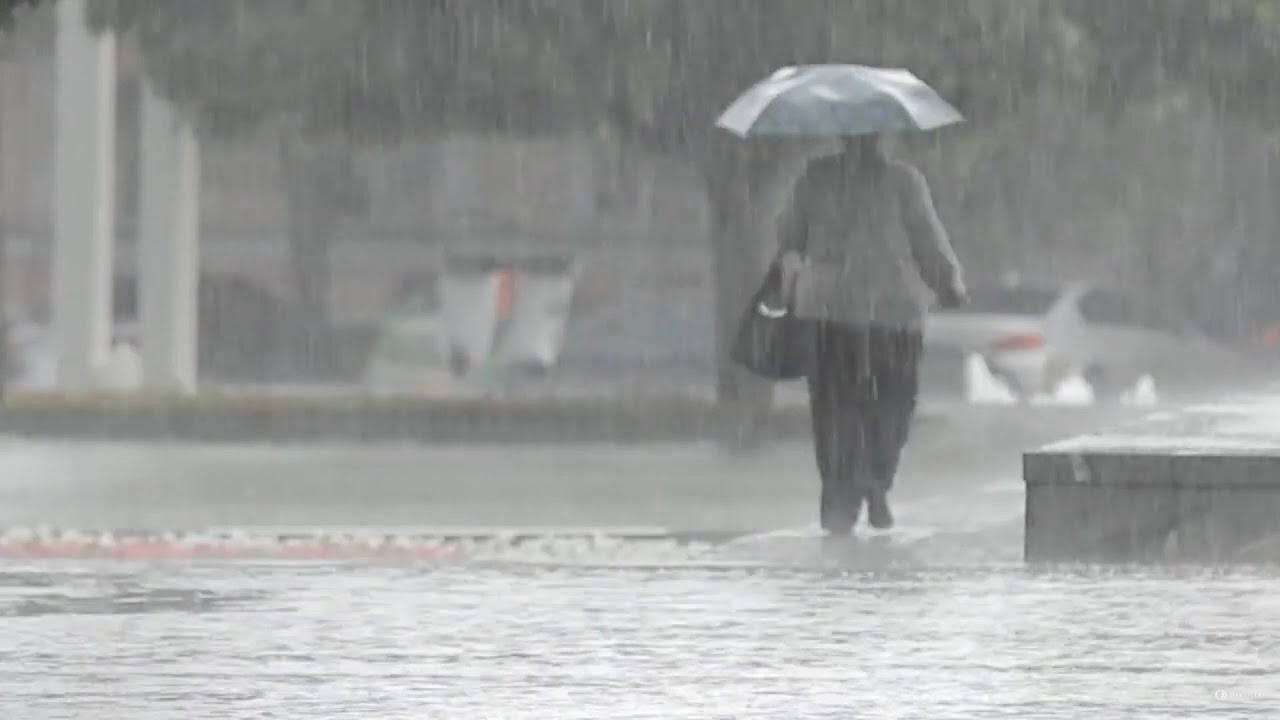
Stormwater is rain and snowmelt that runs off hard surfaces—like roofs, driveways, and roads—instead of soaking into the ground. Without proper management, this runoff can flood properties and roads, erode streambanks, and carry pollutants into local waterways.
Increasingly heavy rainfall, aging infrastructure, and changing weather patterns are putting more pressure on the system each year.
Investing in our stormwater management system now helps prevent costly flooding, protects property, keeps roads open, and safeguards the health of Oakville’s creeks, ponds, and shoreline for future generations.
To make the transition as smooth as possible, the Town of Oakville is introducing the stormwater fee gradually. Property owners will not pay the full amount in the first year. Instead, the fee will increase in steps over time until it reaches the full rate.
All residential homes—including single detached houses, semi-detached homes, townhomes, condominiums, and multi-residential buildings—will reach the full stormwater fee in 2028.
Residential property owners will pay:
Example:
If the full fee for a medium-density home is $128 per year, the phased-in charges would be about $64 in 2026, $96 in 2027, and $128 in 2028.
Your actual charge depends on your residential tier. See billing and fee calculation section for tier information.
Commercial, industrial, institutional, mixed-use, golf courses, and vacant development lands will reach the full fee in 2029. These properties begin at a lower percentage to help ease the impact on businesses and organizations.
Non-residential properties owners will pay:
Non-residential fees are calculated based on the total property area (per 100 square metres).
For example, if the full rate is $51 per 100 square metres for a commercial property, the phased-in charges would start at about $13 per 100 square metres in 2026 and increase each year until the full rate applies in 2029.
A minimum annual fee of $25 applies to all non-residential properties.
The non-residential credit program will begin in 2027, allowing eligible properties to reduce their fee once the program is active.
The fee replaces the portion of stormwater costs that used to come from property taxes. The Town is currently finalizing how the fee will appear on bills and the associated due dates. Updated billing information will be shared by April 2026.
The new fee structure ensures that every property contributes fairly based on the amount of runoff it generates. Flat fees will apply to residential properties based on building density and non-residential properties will be charged a variable rate based on total property area, land use and how they contribute to runoff.
Residential stormwater fees are charged as a fixed annual amount based on the type of home. These tiers reflect typical differences in property size and the amount of hard surface that contributes to runoff.
To ease the transition, charges are discounted in the first and second year before reaching the full rate in the third year.
Non-residential properties are charged a variable rate based on the total property area, measured per 100 square metres. Fees differ by land use to reflect how different property types contribute to runoff. The minimum non-residential stormwater fee is $25.
To ease the transition, charges are discounted in the first three years before reaching the full rate in the fourth year.
These rates are established through Oakville’s Stormwater Management Fees and Charges By-law and may be updated periodically by Council.
All stormwater fee revenue is deposited into the Town’s Stormwater Management Reserve Fund and used only for stormwater purposes. Annual updates will outline how funds are invested and what projects were delivered. Every few years, Town Council will review the fee structure and the credit program to ensure they remain fair, transparent and effective.
Non-residential properties may be eligible for a reduction in their stormwater fee if they manage runoff on their own property. The Town’s credit program allows eligible properties to receive up to 50 per cent off their stormwater fee for approved stormwater management measures.
Property owners may qualify by implementing measures that help reduce pressure on the Town’s system, such as:
The credit program applies only to non-residential properties.
More information about eligibility, required documentation, and how to apply will be shared as the program is finalized. Updated credit and incentive criteria and applications will be available once the program launches.
Residential properties are not eligible for the Town’s credit program but may qualify for separate rebate or subsidy programs offered by Halton Region and Conservation Halton.
ServiceOakville
905-845-6601